
How to Create a High-Converting Landing Page (2026 Guide)
A high-converting landing page is a specialized web page designed to drive one specific action from visitors, such as a lead submission or purchase. It achieves success by combining a compelling headline, targeted visual content, persuasive social proof, and a clear call-to-action (CTA) within a distraction-free, high-performance user interface.
What makes a high-converting landing page?
Creating a landing page that actually works is both an art and a science. At its core, a high-converting landing page is focused. Unlike your homepage, which acts as a gateway to every corner of your business, a landing page has one job: conversion. Whether you are running a PPC Advertising campaign or driving traffic from social media, the visitor arrives with a specific expectation. If your page doesn’t meet that expectation within seconds, they are gone.
To build a page that turns clicks into customers, you need to understand the psychology of your audience. They are looking for a solution to a problem. A successful page identifies that pain point immediately and presents your product or service as the ultimate remedy. This requires more than just pretty colors; it requires a strategic layout that guides the eye from the initial hook all the way down to the final button click.
At Arluna Digital, we see many businesses make the mistake of overcomplicating their design. High conversion rates often come from simplicity. By removing the navigation bar, limiting outbound links, and focusing the reader on a single path, you significantly increase the chances of them completing the desired action. It’s about creating a frictionless environment where the easiest thing for the user to do is exactly what you want them to do.
Anatomy of a winning landing page structure
Structure is the skeleton upon which your conversion strategy sits. If the skeleton is weak, the entire page collapses. A standard, high-performing layout usually follows a logical flow often referred to as the "Inverted Pyramid" or the "AIDA" model (Attention, Interest, Desire, Action).
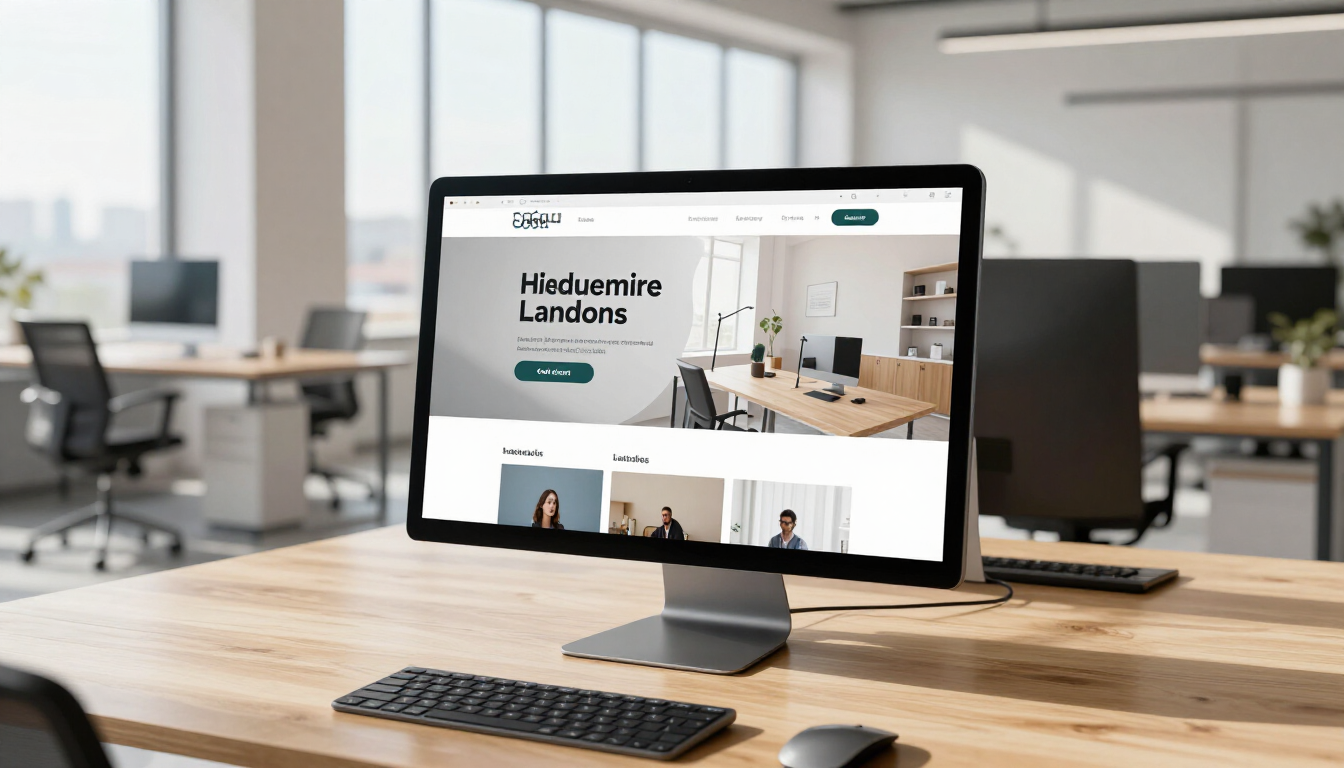
- The Hero Section: This is the top part of your page. It must contain your primary headline, a supporting sub-headline, and your main call-to-action. If a user doesn’t scroll, they should still know exactly what you offer.
- The Problem/Solution Gap: Immediately following the hero, you should acknowledge the visitor's struggle. Briefly explain why their current situation is suboptimal and how your service bridges that gap.
- Features vs. Benefits: While features tell people what your product does, benefits tell them how it improves their lives. Use lists to highlight 3-5 key benefits.
- Social Proof and Trust: Humans are social creatures. We look for validation from others before making a decision. This section should house testimonials, logos of past clients, or industry certifications.
- The Final CTA: Don’t assume they remember the button from the top of the page. Repeat your offer clearly at the bottom to catch users who have finished reading your content.
By following this structure, you ensure that no matter where the reader is on the page, they are being moved closer to a decision. This is a core component of our Web Design & Development process, where we prioritize user flow above all else.
How do you craft headlines that drive action?
Your headline is the single most important piece of copy on your landing page. Statistics suggest that 8 out of 10 people will read your headline, but only 2 out of 10 will read the rest of the page. If your headline fails to grab attention, the rest of your Web Design & Development efforts are essentially wasted. A high-converting headline needs to be clear, benefit-driven, and urgent.
There are several strategies for writing headlines. You can go with the "Direct Approach," which simply states what the product is. Alternatively, you can use the "How-To" approach, which promises a specific outcome. However, the most effective headlines often focus on the "Big Result." Instead of saying "We Offer SEO Services," a high-converting headline might say "Rank on Page One and Double Your Leads in 90 Days."
Remember that the sub-headline’s job is to support the main headline. If the main headline is the hook, the sub-headline is the bait. It provides just enough detail to keep the reader engaged without overwhelming them. Keep it conversational. Avoid corporate jargon that confuses the reader. Speak to them like a partner, not a salesperson. This human-centric approach is a hallmark of effective Branding .
Choosing the right visual assets
Visuals are not just decorations; they are tools for persuasion. A high-quality hero image or video can convey more than a thousand words of copy ever could. When selecting images for your landing page, avoid generic stock photos. People can spot a "fake" office meeting or a forced smile from a mile away, and it instantly erodes trust.
Instead, use "Product-in-Action" shots or real photos of your team. If you are a service-based business, show the results of your work. If you are selling software, show a clean, intuitive screenshot of the interface. The goal is to help the visitor visualize themselves using your solution. This is where professional Branding becomes a competitive advantage, as it ensures your visual identity is consistent and high-end.
- Directional Cues: Use images of people looking toward your CTA button or arrows that point to your form. These subtle cues guide the user's eyes naturally.
- Video Content: A short, 60-second explainer video can increase conversions by over 80%. It’s a great way to digest complex information quickly.
- White Space: Don’t be afraid of empty space. It makes your content more readable and keeps the focus on your primary message.
- Color Contrast: Your CTA button should be a color that stands out from the rest of the page palette. If your brand is blue, an orange or green button will pop.
- Consistency: Ensure your visuals match the ads that brought the user to the page. Visual continuity reduces bounce rates.
Why does mobile responsiveness matter for conversions?
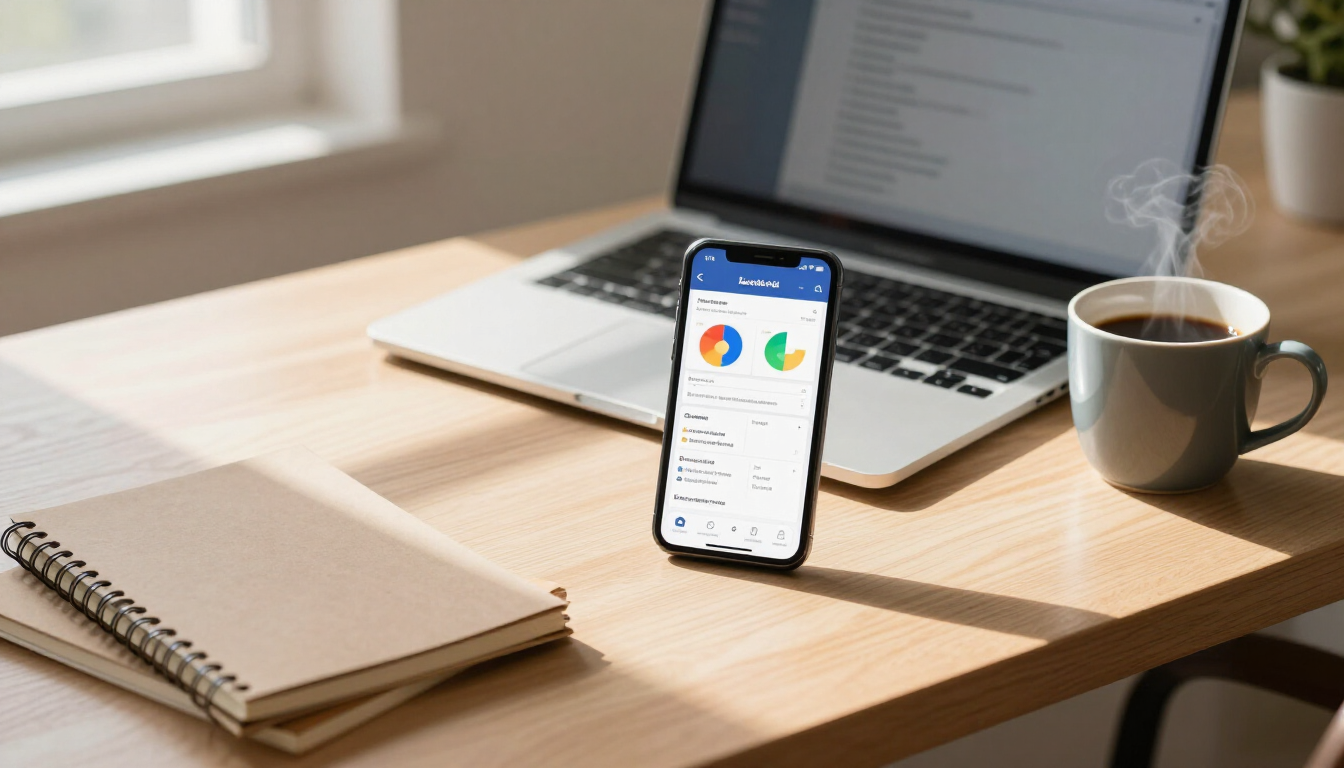
In 2026, the majority of your traffic will likely come from mobile devices. If your landing page isn’t optimized for a thumb-driven experience, you are leaving money on the table. A page that looks great on a desktop but breaks on a smartphone is a conversion killer. Mobile responsiveness is no longer an optional feature; it is a fundamental requirement of modern SEO and user experience.
Mobile users have less patience than desktop users. They are often on the go, looking for quick answers. This means your mobile landing page needs to load faster and have even simpler navigation. Large buttons, readable fonts, and short forms are essential. If a user has to pinch and zoom to read your offer, they will likely hit the back button and visit a competitor instead.
Furthermore, Google uses mobile-first indexing. This means the mobile version of your page is what determines your ranking in search results. By investing in a mobile-optimized landing page, you are not only helping your conversion rate but also supporting your overall SEO strategy. At Arluna Digital, we build every page with a mobile-first mindset to ensure no lead is lost due to device incompatibility.
Integrating trust signals and social proof
Trust is the currency of the internet. Before a visitor gives you their email address or credit card information, they need to know you are legitimate. This is where trust signals come into play. These are external validations that prove you can deliver on your promises. Without them, your landing page is just a list of claims that anyone could make.
Social proof can take many forms. Testimonials from happy clients are the most common, but they must be specific. A testimonial that says "Great service!" is far less effective than one that says "Arluna Digital helped us increase our lead volume by 40% in just three months." Adding a name, title, and photo to the testimonial makes it even more believable.
- Case Studies: Brief summaries of past successes provide deep evidence of your expertise.
- Trust Badges: Display logos of security software (like Norton) or industry awards to build immediate credibility.
- Client Logos: If you’ve worked with recognizable brands, show them off. It transfers their authority to your business.
- Live Proof: Notifications showing that someone just purchased or signed up can create a sense of "FOMO" (Fear Of Missing Out).
- Guarantees: A money-back guarantee or a "no-obligation" trial reduces the perceived risk for the user.
Does page speed impact your conversion rate?
Absolutely. Page speed is one of the most underrated factors in conversion rate optimization. Research shows that every one-second delay in page load time can lead to a 7% reduction in conversions. If your page takes five seconds to load, you’ve already lost half of your potential audience. Speed is a technical aspect, but it has a massive psychological impact on the user.
When a page loads instantly, it feels professional and reliable. When it lags, it feels amateur and frustrating. High-converting landing pages are stripped of heavy scripts, unoptimized images, and unnecessary plugins that slow things down. This technical precision is why many businesses choose to partner with experts for their Web Design & Development .
Speed also affects your PPC Advertising costs. Platforms like Google Ads reward fast-loading pages with higher Quality Scores, which can lower your cost-per-click. By optimizing for speed, you are effectively making your marketing budget go further. It’s a win-win for both the user experience and your bottom line.
Measuring success through data and testing
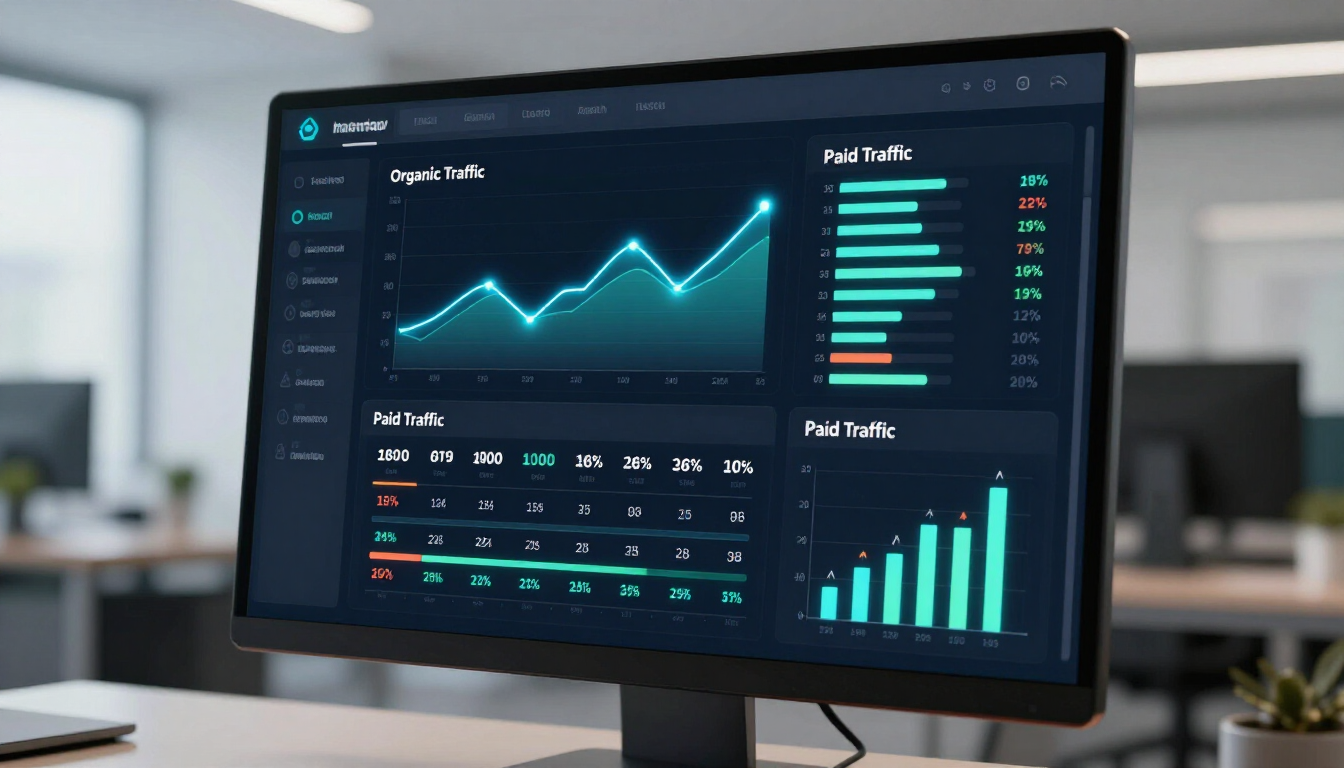
Your landing page is never truly "finished." It is a living asset that should be constantly refined based on data. To truly maximize your ROI, you must implement A/B testing. This involves creating two versions of a page with one single difference—such as a different headline or button color—and seeing which one performs better. Over time, these small incremental gains can lead to massive improvements in your total revenue.
We also recommend using heatmaps and session recordings. These tools allow you to see exactly where users are clicking and where they are getting stuck. Are they missing your primary CTA? Are they scrolling past your best testimonials? This data takes the guesswork out of design. Instead of arguing over which color looks better, you let the audience tell you through their behavior. This data-driven approach is how we integrate Email Marketing and other channels into a cohesive, high-performing system.
Ready to transform your digital presence?
Creating a high-converting landing page is about more than just aesthetics; it’s about alignment. Your message, your design, and your technical performance must all work together to lead the visitor toward a single, meaningful goal. When done correctly, a great landing page is the most powerful tool in your digital marketing arsenal.
At Arluna Digital, we specialize in building marketing systems that don't just look busy—they produce results. We take the stress out of the process by handling everything from strategy and Branding to the final code. If you’re tired of landing pages that don't convert and marketing that feels like a black hole, it’s time for a change.
Key Takeaways for Your Next Landing Page:
- Focus on one single goal and remove all distracting links.
- Write headlines that emphasize the big result for the customer.
- Use real, high-quality visuals and directional cues to guide the eye.
- Build for mobile first and ensure lightning-fast load speeds.
- Continuous testing is the only way to reach peak performance.
Stop guessing and start growing. Contact Arluna Digital today to see how we can build a high-converting landing page that turns your traffic into measurable revenue. Let’s work together to level the playing field and get your business seen where it matters most.