


How Small Businesses Can Compete With Bigger Brands Online
Small businesses can compete with bigger brands online by prioritizing hyper-local SEO, focusing on long-tail niche keywords, and building deep community trust. Unlike large corporations with broad strategies, small businesses can pivot quickly, offer personalized content, and dominate local search results where proximity and specific expertise matter most.
Can a Small Business Actually Outrank a National Brand?
One of the most common misconceptions in digital marketing is that the biggest budget always wins. While it is true that massive corporations have millions to spend on PPC advertising and broad-scale brand awareness, they often struggle with specificity. A national retailer might rank for a general term like "running shoes," but a local boutique can easily outrank them for "custom-fitted trail running shoes in Portland."
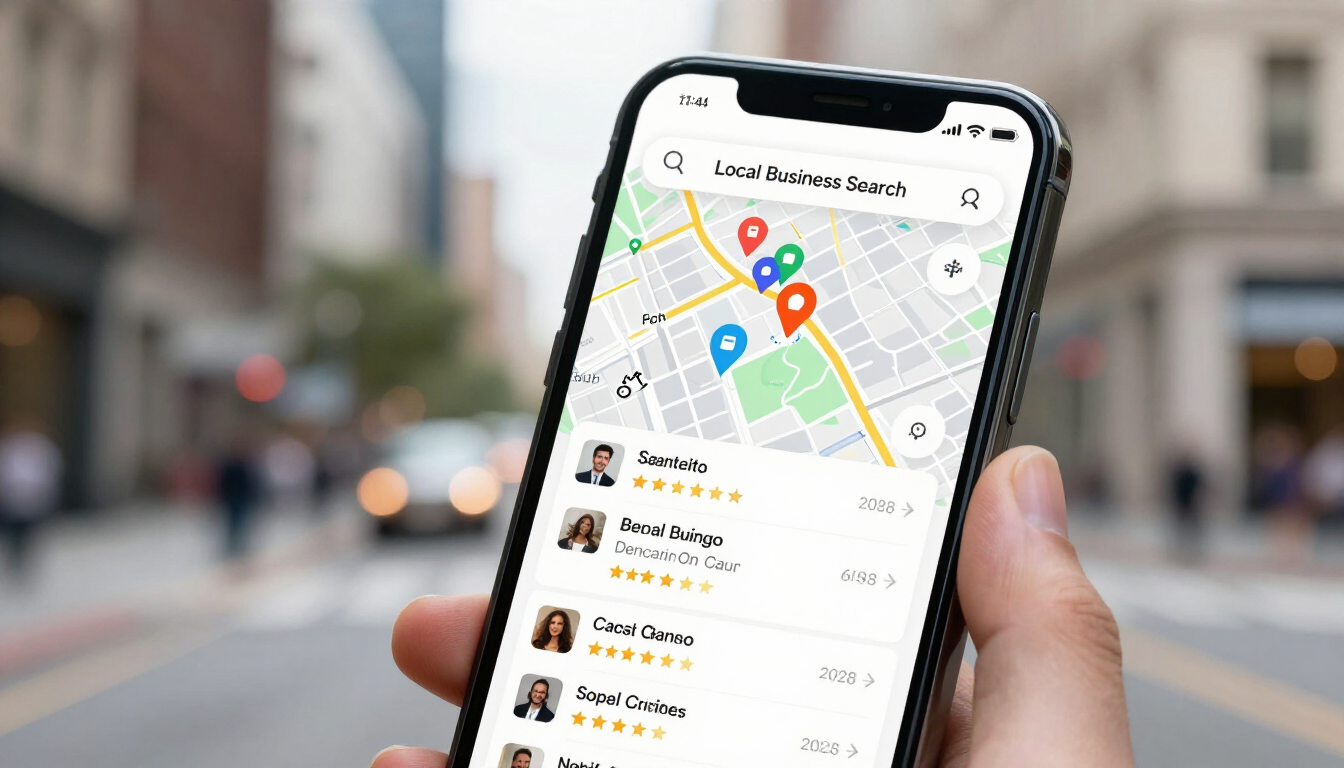
Search engines, particularly Google, are increasingly prioritizing relevance and user intent over sheer domain authority. When a user searches for a service nearby, Google’s local algorithm takes over, giving preference to businesses that have a strong local presence. This is where GBP optimization and specialized SEO become the ultimate equalizers.
To outrank a national brand, a small business must:
- Target long-tail keywords that big brands ignore.
- Optimize for local intent and "near me" searches.
- Focus on high-quality, niche-specific content.
- Gather more authentic, local customer reviews.
- Ensure their web design and development is mobile-first.
Large companies operate like massive tankers—they are powerful but slow to turn. As a small business, you are a speedboat. You can adapt your content, update your keywords, and respond to local trends in real-time. This agility is your greatest asset in the digital landscape.
Why Hyper-Local SEO Is Your Secret Weapon
When we talk about how small businesses can compete with bigger brands online , we have to talk about local search. Local SEO isn't just a part of your strategy; for most small businesses, it is the strategy. Large brands often use automated tools to manage thousands of locations, leading to generic descriptions and outdated information.
By contrast, a small business can provide a level of detail that search engines love. This includes local landmarks, neighborhood names, and community-specific events. When you provide this level of context, you aren't just a business; you are a local authority.
How Does Niche Targeting Level the Playing Field?
Big brands try to be everything to everyone. To maintain their massive scale, they have to target broad, high-volume keywords. This leaves huge gaps in the market—gaps that you can fill. Niche targeting allows you to spend your marketing dollars more efficiently by focusing only on the users who are most likely to convert.
Consider the difference between "legal services" and "intellectual property law for tech startups in Austin." The first is impossibly expensive to rank for, and the traffic it brings is often unqualified. The second is highly specific, less competitive, and attracts a lead that is ready to buy. By narrowing your focus, you increase your conversion rate and decrease your cost-per-acquisition.
Niche targeting also allows you to speak a specific language. You can address the exact pain points of your target audience in a way a national brand never could. This creates a sense of belonging and trust that is essential for converting online visitors into loyal customers. If you are struggling to find your niche, our team at Arluna Digital can help you refine your services to stand out.
The Power of Specialized Content Marketing
Content is how you demonstrate your expertise. While big brands might churn out generic blog posts for the sake of SEO, a small business can create truly helpful, specialized content. Think of your blog as a way to answer the specific questions your customers ask you every day in person.
When you create content that is genuinely useful, other local websites are more likely to link to you. These local backlinks are incredibly powerful for SEO because they signal to Google that you are a trusted member of the local business community.
Why Is Agility an Advantage in Digital Marketing?
In the world of digital marketing, things change fast. A new Google algorithm update, a viral social media trend, or a sudden shift in consumer behavior can happen overnight. Large corporations often have multiple layers of management that must approve every change, meaning they might take weeks or months to react.
As a small business, you can pivot in an afternoon. If you see a new keyword gaining traction, you can write a blog post about it immediately. If a competitor launches a new promotion, you can counter it with your own email marketing campaign by the end of the day. This responsiveness allows you to stay ahead of the curve and capture opportunities that big brands simply miss.
Building Trust Through Authenticity and Branding
People buy from people, not faceless corporations. One of the biggest advantages a small business has is the ability to be authentic. Your branding shouldn't try to make you look like a giant company; it should celebrate the fact that you are small, local, and dedicated.
Transparency is a core value here at Arluna Digital, and we encourage our clients to embrace it too. Show your team, share your story, and be honest about your processes. This human connection is something a national chain can never truly replicate. When users see the faces behind the business, they feel a level of comfort that leads to higher engagement on social media management platforms and better overall conversion rates.
How Do You Scale Without Losing the Small Business Edge?
Growth is the goal, but it shouldn't come at the cost of your competitive advantage. As you scale, it is important to maintain the systems that made you successful in the first place. This means continuing to prioritize local engagement, niche expertise, and rapid responsiveness.
Automation can help, but it should never replace the personal touch. Use tools to streamline your PPC advertising or schedule your posts, but always keep a human in the loop to ensure your messaging remains authentic.
Summary: Key Takeaways for Competing with Big Brands
- Dominate Local SEO: Focus on geographic relevance and your Google Business Profile to win the "near me" search game.
- Identify Your Niche: Stop trying to appeal to everyone; find the specific segment of the market that the big brands are ignoring.
- Prioritize Agility: Use your size to your advantage by reacting quickly to trends and customer feedback.
- Lead with Authenticity: Build a brand that highlights your local roots and personal connection to your customers.
- Focus on Intent: Target long-tail keywords that indicate a high readiness to purchase rather than broad informational terms.
Winning against the giants doesn't require a giant budget; it requires a smarter strategy. If you’re ready to increase your online visibility and turn exposure into measurable growth, Arluna Digital is here to build a system tailored to your business. Contact us today to start building your competitive edge.