

How to Create a Social Media Strategy in 2026 (5 Steps)

October 5, 2026

Share this article

To create a social media strategy from scratch, you must define clear business goals, identify your target audience, and select platforms where your customers are active. This comprehensive roadmap involves crafting engaging content, establishing a consistent posting schedule, and using data-driven analytics to refine your approach for maximum growth and ROI.

What is a social media strategy?

A social media strategy is more than just a plan to post pictures on Instagram or updates on LinkedIn. It is a documented blueprint that outlines exactly what your business hopes to achieve on social platforms and how it intends to do so. Think of it as a North Star for your digital presence. Without a strategy, your brand is likely shouting into a void, hoping that someone, somewhere, will notice.

At Arluna Digital, we believe that transparency in the planning process is the only way to achieve measurable growth. A strategy ensures that every post, every reply, and every ad spend is aligned with your overarching business objectives. Whether you are a small startup or an established enterprise, having a structured approach prevents you from falling into the trap of "busy work" that doesn't produce results. It allows you to move from being reactive—posting whenever you remember—to being proactive and intentional.

Why your business needs a documented plan

Many business owners rely on intuition, but in the crowded digital landscape of 2026, intuition isn't enough to beat the algorithms. A documented social media strategy provides several key benefits:

  • Consistency: It helps you maintain a steady pulse of content so your audience doesn't forget you.
  • Resource Allocation: It ensures you aren't wasting time on platforms that don't reach your customers.
  • Brand Voice: It helps maintain a unified tone across different channels.
  • Performance Tracking: It establishes benchmarks so you know if your efforts are actually working.

By treating your social media as a core component of your social media management efforts, you turn a cost center into a revenue-generating asset.

How do you set social media goals?

The foundation of any successful strategy is the set of goals you establish at the beginning. If you don't know where you are going, you will never know when you have arrived. We recommend using the SMART framework to ensure your goals are Specific, Measurable, Achievable, Relevant, and Time-bound.

Common social media goals include:

  • Increasing Brand Awareness: Reaching new people who haven't heard of your business yet.
  • Driving Website Traffic: Encouraging followers to click through to your blog or product pages.
  • Generating Leads: Using social platforms to capture contact information from potential customers.
  • Boosting Engagement: Building a community that likes, comments, and shares your content.

When setting these goals, look at your current business needs. If you have just launched a new service, your goal should be awareness. If your sales have plateaued, your goal should be lead generation. It is crucial to pick no more than two or three primary goals at a time to keep your strategy focused.

Marketing Strategy Planning

Identifying your target audience

You cannot speak to everyone at once. If your message is for everyone, it is effectively for no one. Identifying your target audience is the process of understanding who your ideal customer is, where they spend their time online, and what challenges they are trying to solve.

To build an audience profile, consider the following:

  • Demographics: Age, location, gender, and income level.
  • Psychographics: Interests, values, and lifestyle choices.
  • Pain Points: What problems do they have that your product or service solves?
  • Online Behavior: Which platforms do they use most, and what time are they active?

By understanding these factors, you can tailor your content to resonate deeply with the people most likely to convert into customers. Arluna Digital takes a hands-on approach to audience research, ensuring we don't rely on cookie-cutter templates but rather real-world data from your specific market.

Choosing the right social media platforms

One of the biggest mistakes businesses make is trying to be everywhere at once. It is far better to excel on two platforms than to be mediocre on five. Each social media platform has its own culture, audience, and content format requirements.

Where should your business post?

  • LinkedIn: The gold standard for B2B companies, professional services, and networking.
  • Instagram: Ideal for visual brands, lifestyle products, and reaching a younger to middle-aged demographic.
  • Facebook: Still the powerhouse for local businesses and targeting older demographics with community-focused content.
  • X (formerly Twitter): Best for real-time news, customer service, and participating in industry-wide conversations.
  • YouTube/TikTok: Essential for brands that can produce high-quality or engaging short-form video content.

Your choice should be dictated entirely by your audience research. If you are a medical spa looking to showcase transformations, Instagram is your best bet. If you are a logistics firm like some of our clients, LinkedIn and Facebook might be more effective for reaching decision-makers and local talent.

How do you create a content calendar?

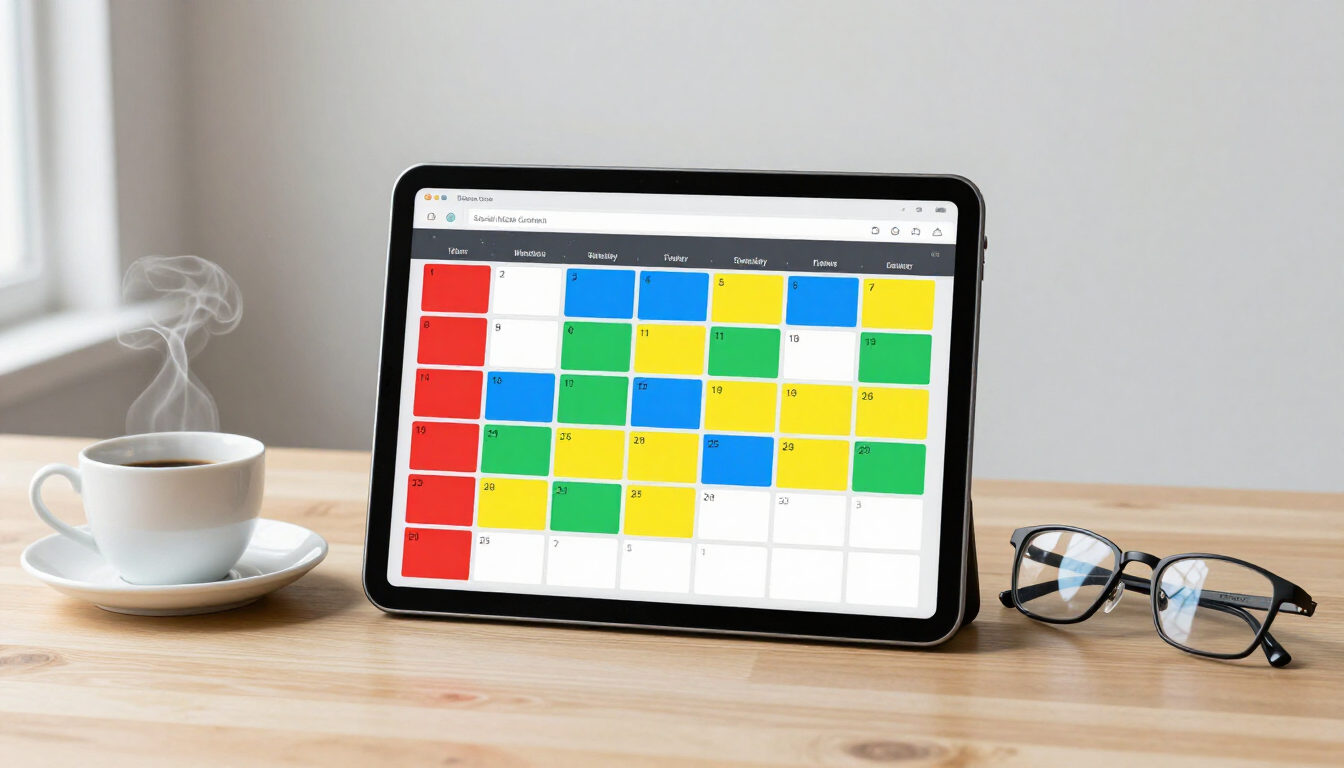
Consistency is the lifeblood of social media growth. A content calendar is a schedule that outlines what you will post, where you will post it, and when it will go live. This removes the daily stress of "What should I post today?" and allows you to think strategically about your content mix.

Social Media Calendar Planning

We suggest following the 80/20 rule: 80% of your content should inform, educate, or entertain your audience, while only 20% should be a direct promotion of your products or services. This builds trust and keeps your followers engaged rather than feeling like they are being constantly sold to.

Steps for an effective calendar:

  1. Identify Content Pillars: These are 3-5 core topics your brand will regularly discuss.
  2. Determine Frequency: Decide how many times per week you can realistically post without sacrificing quality.
  3. Use Scheduling Tools: Leverage platforms like Hootsuite, Buffer, or Meta Business Suite to automate your posts.
  4. Batch Content Creation: Spend one day a week or month creating all your content to save time.
  5. Review and Adjust: Check your analytics monthly to see which content types are performing best.

The role of engagement and community management

Social media is meant to be social. It is a two-way street, not a megaphone. If you post content but never respond to comments or messages, you are missing out on the most valuable part of the platform: building relationships. Community management is the act of nurturing these relationships.

When someone comments on your post, they are giving you their most precious commodity—their time. Acknowledge them. Answer their questions, thank them for their feedback, and even engage with their own content when appropriate. This level of interaction signals to the platform's algorithm that your content is valuable, which in turn increases your reach.

How to measure social media success?

You cannot manage what you do not measure. At the end of every month, you should review your performance against the goals you set in the first step. Don't get distracted by "vanity metrics" like follower counts if they aren't translating into business results.

Key metrics to track include:

  • Reach and Impressions: How many unique people saw your content?
  • Engagement Rate: Are people actually interacting with what you post?
  • Click-Through Rate (CTR): How many people are moving from social media to your website?
  • Conversion Rate: Of those who clicked, how many took the desired action (e.g., filled out a form)?
  • Cost Per Result: If you are running paid ads, how much are you paying for each lead or sale?

By analyzing this data, you can see what is working and what isn't. If video content gets 3x the engagement of images, you know to double down on video. This iterative process is how you turn a basic plan into a high-performance marketing system.

Summary and Next Steps

Creating a social media strategy from scratch is an essential step for any business looking to increase its online visibility and drive measurable growth. By moving away from random posting and toward a structured, goal-oriented approach, you can ensure that your digital marketing efforts contribute directly to your bottom line.

Key Takeaways:

  • Start with SMART goals to define what success looks like for your brand.
  • Research your audience deeply to ensure your message resonates with the right people.
  • Focus on quality over quantity by selecting the right platforms and maintaining a content calendar.
  • Prioritize engagement to build a loyal community around your business.
  • Monitor analytics monthly to refine your tactics and maximize ROI.

If you are ready to take your online presence to the next level but don't have the time to manage it all yourself, Arluna Digital is here to help. We provide end-to-end Social Media Management and strategy services tailored to your unique business needs. Contact us today to start building a strategy that delivers real results.

Recent Posts

Small plant growing through a stone wall representing small business growth.
October 26, 2026
Learn how small businesses can outrank and outearn larger competitors through niche targeting, local SEO, and personalized digital marketing strategies.

Modern workspace with website design analytics on screen
October 19, 2026
Is your site losing leads? Discover 10 critical signs your website needs a redesign to improve UX, speed, branding, and conversions for 2026.

Minimalist vector illustration of retargeting concept curved arrow returning to a shopping cart.
October 12, 2026
Learn how retargeting ads work to bring lost visitors back to your site. Discover the benefits of remarketing and how to optimize your PPC strategy for higher ROI in 2026.
Five star customer reviews on a mobile device for local SEO.
September 28, 2026
Learn why customer reviews are a critical ranking factor for local SEO in 2026. Discover how reviews build trust, influence Google Business Profile rankings, and drive conversions.

Modern digital marketing strategy for service businesses
September 21, 2026
Discover the top marketing strategies for service-based businesses in 2026. Learn how to leverage SEO, GBP, PPC, and branding to drive leads and sustainable growth.
Professional video production setup for brand marketing.
September 14, 2026
Learn how to use video marketing to grow your brand with our comprehensive guide. Explore short-form video, storytelling techniques, and effective distribution strategies.

Data analytics dashboard showing conversion growth charts.
September 7, 2026
Learn what Conversion Rate Optimization (CRO) is and how it turns visitors into customers. Discover testing strategies, UX tips, and data-driven growth from Arluna Digital.

Digital marketing strategy and trends for 2026 featuring AI and data analytics concepts.
August 31, 2026
Stay ahead with the top digital marketing trends of 2026. Explore how AI, SEO, and social media shifts impact your business growth strategy and revenue goals.

Professional desk with laptop displaying a high-converting website design.
August 24, 2026
Master the art of writing website copy that converts visitors into customers. Learn psychology, structure, and CTA strategies to boost your business growth with Arluna Digital's guide.

Comparison of Organic vs Paid Traffic strategies icon
August 17, 2026
A comprehensive comparison of organic traffic vs paid traffic. Learn the pros, cons, and best strategies for SEO and PPC to grow your business online with Arluna Digital.
Show More