


Organic Traffic vs Paid Traffic: Which Is Better?
Organic traffic refers to visitors who find your website via unpaid search results, while paid traffic comes from sponsored advertisements. The "better" choice depends on your timeline: SEO offers sustainable, long-term ROI and trust, while PPC delivers immediate visibility and precision targeting for fast results.
What is the main difference between organic and paid traffic?
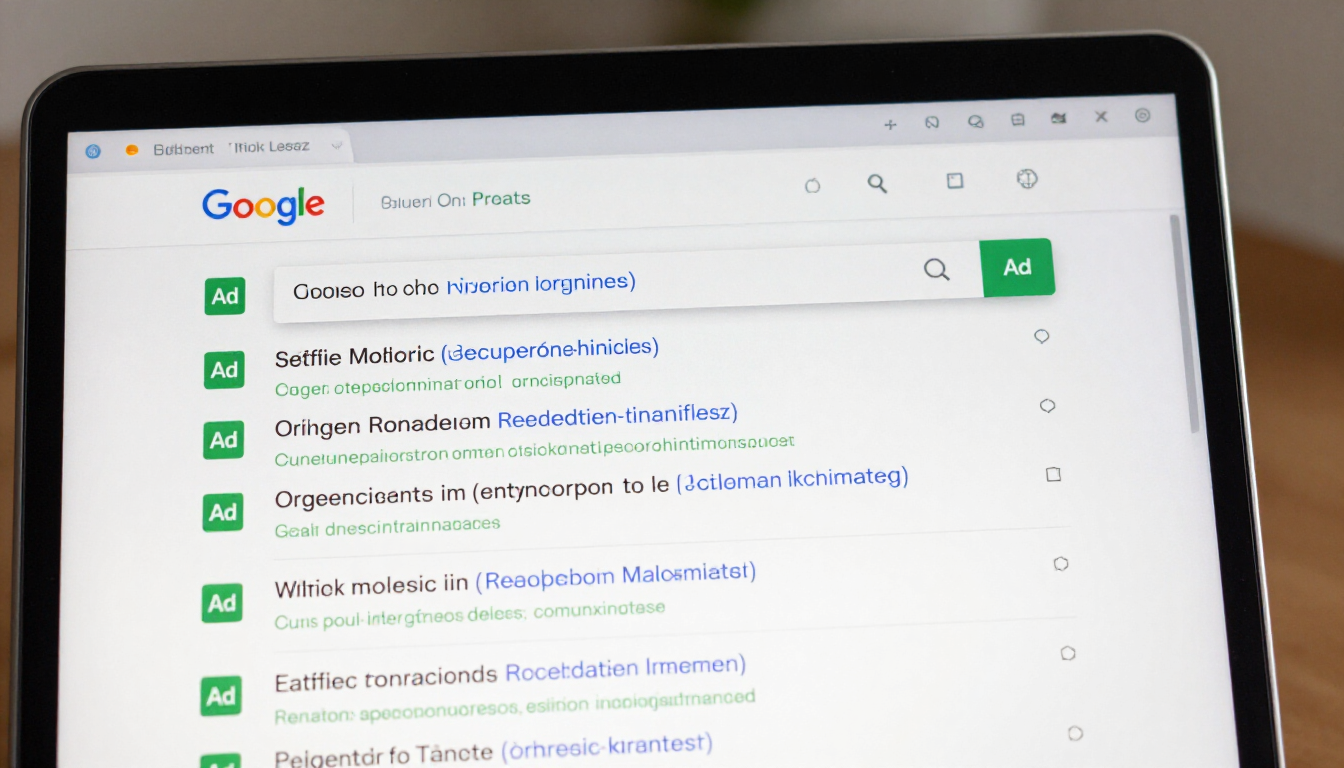
To understand the digital landscape, you have to look at how users interact with search engines. When someone types a query into Google, the results page is split into two primary real estate sections: the sponsored ads at the top (and sometimes bottom) and the organic listings in between.
Organic traffic is the fruit of Search Engine Optimization (SEO) . It is "earned" through high-quality content, technical site health, and authority building. You don’t pay Google for a click, but you do invest in the strategy to get there. Conversely, paid traffic is the result of Pay-Per-Click (PPC) advertising. You bid on specific keywords, and every time a user clicks your link, you pay a set fee.
At Arluna Digital, we often describe it like this: SEO is like buying a home—you build equity over time and eventually own the asset. PPC is like renting—it’s fast and puts a roof over your head immediately, but the moment you stop paying the landlord, you’re back on the street. Both have distinct roles in a full-suite digital marketing plan, and choosing between them requires a deep look at your current business goals, budget, and competition.
What are the core benefits of an organic growth strategy?
Organic traffic is widely considered the holy grail of digital marketing for several reasons. Primarily, it builds credibility and trust . Most users are savvy enough to distinguish between an ad and an organic result. When your business appears at the top of the organic search results, it signals to the user that you are an authority in your field.
Here are the top advantages of focusing on organic growth:
- Sustainability : Once you rank for a valuable keyword, you can stay there for months or years with minimal maintenance.
- Cost-Effectiveness Over Time : While SEO requires an upfront investment, the "cost per click" effectively drops to zero as you gain more traffic.
- Higher Click-Through Rates (CTR) : Data consistently shows that organic listings receive more clicks than paid ads for informational searches.
- Compounding Returns : Every blog post or backlink you earn adds to your overall site authority, making it easier to rank for future keywords.
- Brand Awareness : Repeatedly appearing for relevant searches keeps your brand top-of-mind without the "salesy" feel of an ad.
Investing in SEO services is about playing the long game. It’s about creating a resource that serves your customers’ needs before they are even ready to buy. This is particularly effective for businesses that rely on expertise, such as healthcare or legal services, where trust is the primary currency. For example, our work with Aurora Medical Spa focused on building local authority to ensure they were the first choice when residents searched for skincare solutions.
Understanding the limitations of SEO in a competitive market
While organic traffic is powerful, it is not without its challenges. The most significant hurdle is time . You cannot flip a switch and appear on page one of Google tomorrow. It often takes three to six months—sometimes longer—to see significant movement in organic rankings. This can be frustrating for a new business that needs leads immediately.
Furthermore, SEO is subject to the whims of algorithm updates. Google updates its ranking criteria hundreds of times a year. A strategy that worked yesterday might be less effective today. This is why we prioritize a holistic approach that includes GBP optimization and technical site health to ensure your foundation is rock-solid. SEO is also a labor-intensive process; it requires constant content creation, technical monitoring, and strategic outreach to remain competitive.
Why should a business invest in paid traffic advertising?
If SEO is a marathon, PPC is a sprint. Paid traffic allows you to jump the line and appear in front of your target audience within hours of launching a campaign. This is invaluable for seasonal promotions, new product launches, or businesses in highly competitive niches where organic rankings are dominated by massive corporations.
The beauty of PPC advertising lies in its precision . With platforms like Google Ads and Meta Ads, you aren't just targeting keywords; you are targeting demographics, locations, behaviors, and even specific times of day.
Consider these key benefits of paid traffic:
- Immediate Results : You can drive traffic to your site the same day your campaign goes live.
- Granular Targeting : Reach people based on their intent (e.g., someone searching for "buy commercial trailer") rather than just general interest.
- Measurable ROI : Every dollar spent is tracked. You know exactly which keyword led to which sale.
- A/B Testing : You can test different headlines and offers quickly to see what resonates with your audience.
- Control : You can scale your budget up or down instantly based on business needs or seasonality.
For many of our clients, such as those in the logistics or healthcare sectors, PPC acts as a lead generation engine that fuels the business while the organic strategy matures. It provides a level of predictability that organic traffic simply cannot match in the short term.
Key challenges of managing a high-spend PPC budget
The primary drawback of paid traffic is, of course, the cost . The moment you stop spending, your traffic stops. In highly competitive industries, the cost-per-click (CPC) can be exorbitant, making it difficult to maintain a healthy profit margin if your conversion rate isn't optimized.
Additionally, there is the phenomenon of "ad blindness." Many users ignore the top of the search results entirely, scrolling straight to the organic section. Managing a PPC campaign also requires significant expertise. Without proper management, it’s easy to waste thousands of dollars on irrelevant clicks or broad match keywords that don't convert. That is why professional PPC management is essential to ensure every cent of your budget is working toward a measurable goal.
How do you balance SEO and PPC for maximum ROI?
At Arluna Digital, we rarely recommend choosing just one. The most successful businesses use a hybrid approach . By integrating both strategies, you create a feedback loop that strengthens your entire digital presence. For instance, you can use PPC data to identify which keywords have the highest conversion rates, then prioritize those same keywords in your content marketing strategy .
Similarly, a strong organic presence can lower your PPC costs. Google’s Quality Score takes into account the relevance of your landing page. If your page is well-optimized for SEO, your ad costs may actually decrease because Google views your site as a better destination for its users. This synergy is what we strive for when building custom marketing systems for our clients.
Best use cases for a hybrid marketing approach
When does it make sense to use both? Almost always, but here are specific scenarios where the combination is vital:
- Launching a Brand : Use PPC for immediate awareness while building long-term SEO authority.
- Dominating the SERP : If you rank #1 organically and also have a top ad, you effectively own a massive percentage of the page's real estate.
- Remarketing : Use organic traffic to bring people to your site, then use paid ads to follow them across the web until they are ready to convert.
- Defensive Branding : Bid on your own brand name so competitors can't steal your customers at the last second.
- Testing Content : Use PPC to drive traffic to a new blog post to see if it converts before investing months into SEO for that specific topic.
Our experience with projects like the Revived Heart Ministries project shows that when design, SEO, and targeted messaging work together, the result is more than just traffic—it’s meaningful engagement.
When should you choose SEO over PPC?
If you have a limited monthly budget and a long runway, SEO should be your priority. It is the most sustainable way to build a business that doesn't rely on constant ad spend. SEO is also superior for building thought leadership. If your goal is to be the "go-to" expert in your industry, you need a deep library of organic content that answers your customers' most pressing questions.
On the other hand, if you are launching a flash sale or have a time-sensitive event, SEO is useless. You need the immediate impact of PPC. The key is to evaluate your Customer Acquisition Cost (CAC) . If your SEO efforts are bringing in leads at a fraction of the cost of PPC, it’s time to double down on organic.
Which traffic source is better for your business goals?
Ultimately, neither is objectively "better"—they are different tools for different jobs. Organic traffic is your foundation; it provides stability, trust, and long-term equity. Paid traffic is your accelerator; it provides speed, precision, and scalability.
To decide, ask yourself these three questions:
- How fast do I need results?
- What is my total marketing budget?
- Is my market already saturated with competitors?
If you're still unsure, our team at Arluna Digital specializes in auditing your current digital footprint to determine the exact mix that will drive revenue. Whether you need a brand-new web design to improve your conversion rate or a strategy to climb the search rankings, we focus on transparency and results over empty promises.
Summary of Key Takeaways
- Organic traffic is earned over time, offering higher trust and lower long-term costs but requiring significant patience.
- Paid traffic offers instant visibility and precise targeting, perfect for immediate leads but requiring a continuous budget.
- The Hybrid Model is the most effective strategy, using PPC for immediate data and SEO for sustainable, compounding growth.
- Search intent matters : Use PPC for high-intent "buy now" keywords and SEO for educational, research-based content.
- Consistency is key : Both strategies fail without a committed, data-driven approach and high-quality landing pages.
Ready to stop guessing and start growing? Whether you want to dominate the organic rankings or launch a high-performance ad campaign, Arluna Digital is here to help you turn visibility into revenue.
Contact us today to build your custom growth plan, or fill out our client questionnaire to get started immediately.