SEO Myths That Are Hurting Your Rankings

November 9, 2026

Share this article

SEO myths are outdated or misunderstood concepts—like keyword stuffing or "one-and-done" optimization—that negatively impact search visibility. By following obsolete advice, businesses waste resources on strategies that search engines now penalize or ignore, ultimately hindering their ability to reach qualified leads and grow organic traffic.

At Arluna Digital, we believe in transparency and results. Many business owners come to us frustrated because they’ve been following "best practices" that no longer work. The digital landscape moves fast, and what worked in 2015 can actually get you shadow-banned or relegated to page ten today. Our goal is to level the playing field by providing straightforward, performance-focused strategies that cut through the noise of big-agency nonsense.

Is SEO a one-time project?

One of the most persistent SEO myths is that search engine optimization is a task you can "finish." Many business owners believe that once they’ve optimized their meta tags and submitted a sitemap, they can sit back and watch the traffic roll in forever. This "set it and forget it" mentality is one of the quickest ways to see your rankings plummet over time.

SEO is an ongoing process because the competitive landscape is constantly shifting. Every day, your competitors are publishing new content, earning new backlinks, and updating their sites. If you aren't moving forward, you are effectively moving backward. Furthermore, search engines like Google update their algorithms hundreds of times a year. A strategy that works today might be obsolete by next quarter. Constant monitoring and adjustment are required to maintain a dominant position.

Why ongoing SEO is necessary:

  • Google’s algorithms evolve to prioritize user intent.
  • Competitors are constantly trying to outrank you.
  • Content needs to stay fresh and relevant.
  • Technical issues can arise as websites age.
  • Search trends and keywords change over time.

At Arluna Digital, we treat SEO as a core pillar of a business’s growth engine. We don’t just look for a one-time boost; we look for sustainable, long-term visibility that converts into revenue.

Does keyword stuffing still help rankings?

In the early days of the internet, you could rank for "best pizza in New York" simply by typing that phrase fifty times at the bottom of your page in white text. Those days are long gone. Today, keyword stuffing—the practice of loading a webpage with keywords or numbers in an attempt to manipulate search results—is a surefire way to get penalized. Modern search engines use Natural Language Processing (NLP) to understand the context and quality of your writing.

When you prioritize keyword density over readability, you create a poor user experience. Users who land on a stuffed page usually bounce immediately, sending a signal to Google that your content isn't helpful. This leads to lower rankings, not higher ones. Instead of focusing on a specific percentage of keywords, focus on "semantic search." This means covering a topic comprehensively using related terms and natural language that answers the user's underlying question.

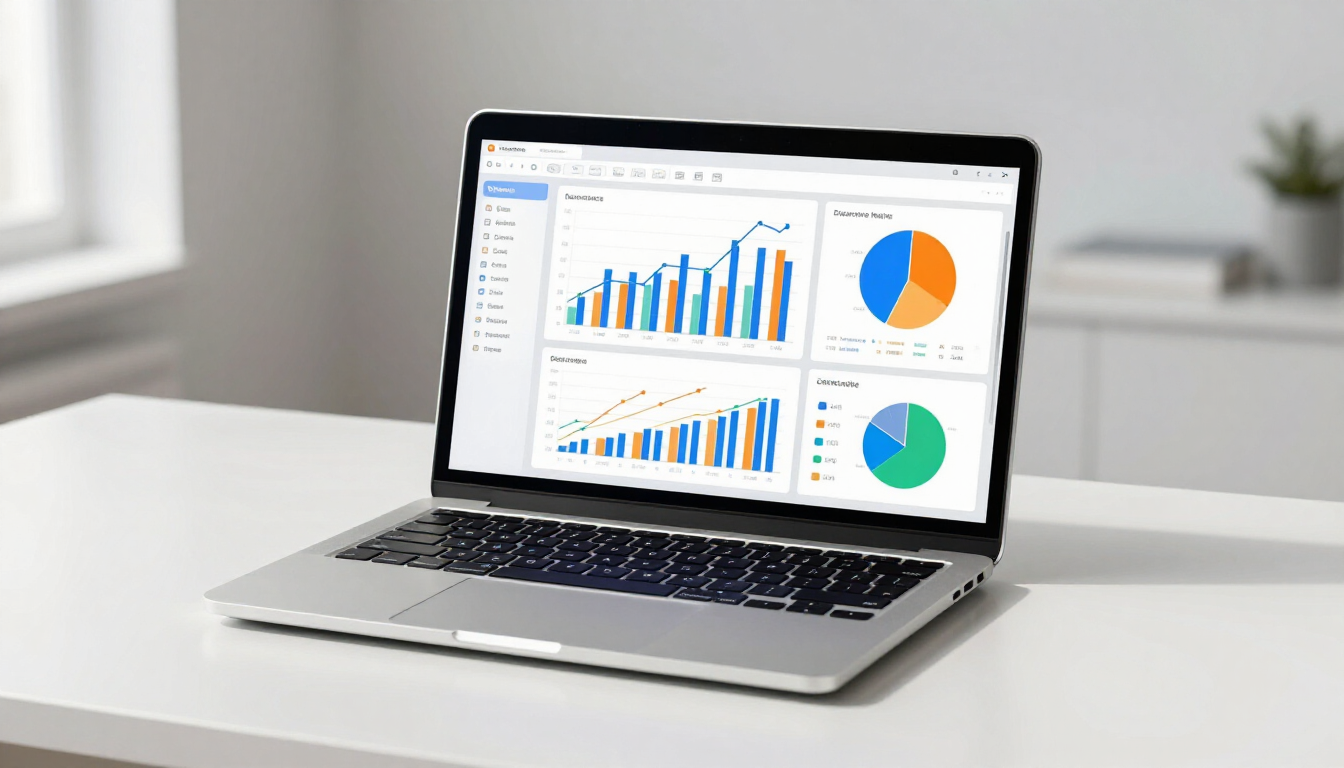
Digital Strategy Visualization

Is domain age the most important ranking factor?

There is a common misconception that an older domain name automatically ranks higher than a new one. While it is true that established domains often have more backlinks and a longer history of indexed content, "age" itself is not a primary ranking factor. A twenty-year-old website that hasn't been updated in a decade will almost always be outperformed by a brand-new, well-optimized site that provides high-quality, relevant information.

What matters more than the date you registered your domain is the authority and trust you’ve built over time. This includes your backlink profile, the consistency of your content publishing, and your site's technical health. If you are starting a new business, don't feel discouraged by older competitors. With a smart content strategy and modern technical optimization, you can bridge the gap much faster than you think.

Do social media signals directly impact SEO?

It’s a frequent debate in marketing circles: does having 10,000 followers on Instagram help your Google rankings? The short answer is no—at least not directly. Google has stated multiple times that social signals (likes, shares, follows) are not direct ranking factors. A viral post on X (formerly Twitter) won't automatically push your blog post to the top of the Search Engine Results Page (SERP).

However, there is an indirect benefit that is too big to ignore. Social media drives traffic. When more people visit your site via social links, they may choose to link to your content from their own blogs or share it with others who will. This increased visibility leads to more "real" backlinks and brand searches, both of which are massive ranking factors. So, while you shouldn't buy followers to "trick" Google, you should definitely use social media management to amplify your reach and build the brand signals that Google cares about.

Why more backlinks aren't always better

For a long time, the mantra was "he who has the most links wins." This led to the rise of "link farms" and low-quality directories where you could buy thousands of links for five dollars. Today, this is one of the most dangerous SEO myths. Google’s Penguin update and subsequent AI refinements have made the search engine incredibly good at spotting unnatural link patterns.

In 2026, quality beats quantity every single time. One link from a high-authority, relevant site in your industry is worth more than 10,000 links from random, unrelated blogs. In fact, having too many low-quality or "spammy" backlinks can actually trigger a manual action or a programmatic suppression of your site. Successful SEO requires a curated approach to link building that focuses on earning mentions from reputable sources through high-value content and networking.

Can PPC advertising improve organic search results?

Many businesses believe that if they spend enough money on Google Ads, their organic rankings will naturally improve. This is a myth. Google maintains a strict "church and state" separation between its paid search (PPC) and organic search algorithms. Spending $10,000 a month on PPC advertising will not give you a secret boost in the organic listings.

However, running ads can help your overall SEO strategy in a few strategic ways:

  • Keyword Data : PPC shows you exactly which keywords lead to conversions, allowing you to prioritize those for SEO.
  • Brand Awareness : Users who see your ad may later click your organic result because they recognize the name.
  • SERP Dominance : Appearing in both the paid and organic sections increases the likelihood of a click.
  • Testing : You can test meta titles and descriptions in ads to see which ones get the best click-through rate (CTR) before applying them to your organic pages.

Will duplicate content get your site penalized?

One of the most feared myths in digital marketing is the "Duplicate Content Penalty." The idea is that if you have the same text on two different pages (or two different websites), Google will ban you. In reality, there is no such thing as a formal "penalty" for duplicate content. Google simply won't index multiple versions of the same thing; it will choose the one it deems the "canonical" or original version and ignore the others.

While you won't get banned, duplicate content still hurts your rankings because it dilutes your "link equity." If three pages have the same content, and five people link to each one, you have three weak pages instead of one strong page. This is why we emphasize unique, high-quality writing at Arluna Digital. If you’re using manufacturer descriptions for an e-commerce site or syndicating blog posts, you need to use proper "rel=canonical" tags to tell Google which version matters.

The connection between web design and SEO performance

Many people view web design and SEO as two separate departments. This is a mistake that can be incredibly costly. Google’s "Core Web Vitals" are now a significant ranking factor, meaning that how your site looks, feels, and performs directly affects your visibility. A beautiful site that takes eight seconds to load will never rank well.

Good web design and development is the foundation of SEO. This includes:

  • Mobile Responsiveness : Google uses mobile-first indexing.
  • Page Speed : Faster sites provide a better user experience.
  • Navigation : A clear site structure helps bots crawl your content.
  • User Engagement : If your design is confusing, users leave, which hurts your "dwell time" metrics.
Modern Office Workspace

Are meta tags dead?

In the late 90s, the "Meta Keywords" tag was the king of SEO. Today, Google ignores that specific tag entirely. This has led some to believe that all meta tags are useless. This is far from the truth. The Meta Title and Meta Description are still incredibly important, not necessarily for ranking algorithms, but for Click-Through Rate (CTR).

Your meta description is your "ad copy" in the search results. If it is boring or irrelevant, people won't click, even if you are in the top three results. Low CTR can eventually signal to Google that your page isn't the best fit for that query, causing your rank to drop. Additionally, Header tags (H1, H2, H3) are still vital for helping search engines understand the hierarchy and topic of your page. Proper branding and messaging within these tags ensure both bots and humans know exactly what you offer.

Is Local SEO only for small shops?

There is a misconception that GBP Optimization (Google Business Profile) is only for the "mom and pop" shop down the street. In reality, local SEO is a powerhouse for businesses of all sizes, including national brands with multiple locations. In fact, "near me" searches have grown exponentially over the last few years.

If you have a physical presence or serve a specific geographic area, ignoring local SEO is like leaving money on the table. It allows you to appear in the "Map Pack," which often sits above the traditional organic results. For large enterprises, managing local signals across dozens or hundreds of locations is a complex but highly rewarding part of a complete digital marketing system.

Key Takeaways for Improved Rankings

To succeed in the modern search landscape, you must move past these outdated myths and focus on what truly drives results. High-quality content, technical excellence, and a focus on the user will always win in the long run.

  • SEO is never finished : It requires ongoing effort and adaptation.
  • Quality over quantity : This applies to both content and backlinks.
  • User experience is SEO : Design and speed are ranking factors.
  • Context matters : Avoid keyword stuffing and focus on intent.
  • Transparency is key : Work with partners who explain the why behind the strategy.

Ready to boost your visibility?

At Arluna Digital, we don’t offer cookie-cutter templates or vague reports. We provide the grit and real-world results your business needs to grow. Whether you need a total site overhaul or a targeted search campaign, our team is ready to act as an extension of yours.

Stop letting myths hold your business back. Contact us today to start building a marketing system that actually works, or fill out our client questionnaire to give us a better idea of your goals. Let's turn your online visibility into measurable revenue.

Recent Posts

Digital marketing analytics dashboard on a laptop
November 2, 2026
Stop chasing vanity metrics. Arluna Digital breaks down the KPIs that drive real business growth, including traffic, conversion rates, and ROI.

Small plant growing through a stone wall representing small business growth.
October 26, 2026
Learn how small businesses can outrank and outearn larger competitors through niche targeting, local SEO, and personalized digital marketing strategies.

Modern workspace with website design analytics on screen
October 19, 2026
Is your site losing leads? Discover 10 critical signs your website needs a redesign to improve UX, speed, branding, and conversions for 2026.

Minimalist vector illustration of retargeting concept curved arrow returning to a shopping cart.
October 12, 2026
Learn how retargeting ads work to bring lost visitors back to your site. Discover the benefits of remarketing and how to optimize your PPC strategy for higher ROI in 2026.

Social media strategy planning on a digital device
October 5, 2026
Learn how to build a high-performing social media strategy from scratch. This comprehensive 2026 guide covers goal setting, content creation, and analytics to drive growth.
Five star customer reviews on a mobile device for local SEO.
September 28, 2026
Learn why customer reviews are a critical ranking factor for local SEO in 2026. Discover how reviews build trust, influence Google Business Profile rankings, and drive conversions.

Modern digital marketing strategy for service businesses
September 21, 2026
Discover the top marketing strategies for service-based businesses in 2026. Learn how to leverage SEO, GBP, PPC, and branding to drive leads and sustainable growth.

Professional video production setup for brand marketing.
September 14, 2026
Learn how to use video marketing to grow your brand with our comprehensive guide. Explore short-form video, storytelling techniques, and effective distribution strategies.

Data analytics dashboard showing conversion growth charts.
September 7, 2026
Learn what Conversion Rate Optimization (CRO) is and how it turns visitors into customers. Discover testing strategies, UX tips, and data-driven growth from Arluna Digital.
Digital marketing strategy and trends for 2026 featuring AI and data analytics concepts.
August 31, 2026
Stay ahead with the top digital marketing trends of 2026. Explore how AI, SEO, and social media shifts impact your business growth strategy and revenue goals.
Show More